
Find Relief from Jaw Pain and TMJ Discomfort
Jaw pain can creep into the little things. Eating. Talking. Even a wide yawn. Sometimes you hear a click. Sometimes the jaw just feels tight and stubborn. Not pleasant.
Our TMJ treatment and TMJ therapy focus on easing that strain and helping the jaw move the way it should. The goal is simple. Less pain. Better movement. More comfort when you speak, chew, or laugh without thinking twice about your jaw.
Treatment is personalized to you as each jaw is unique in one way or another.
Understanding the Temporomandibular Joint
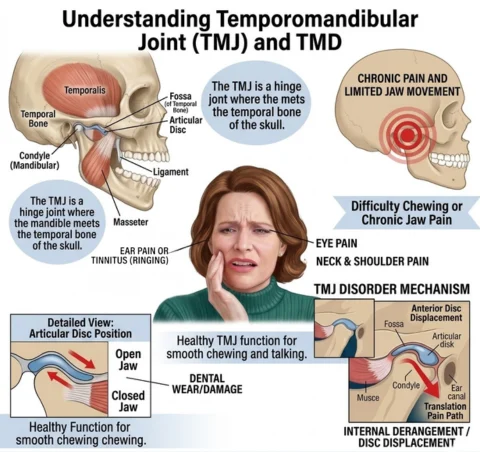
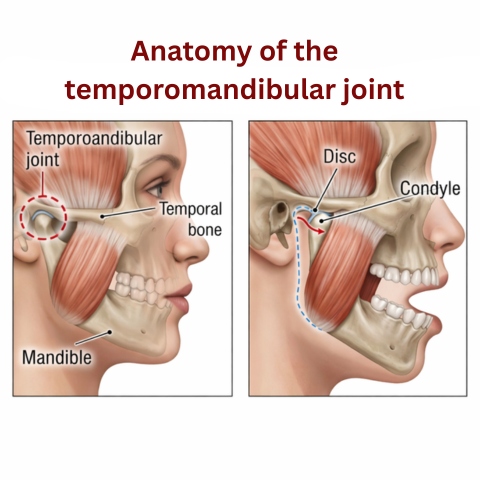
The temporomandibular joint, or TMJ, works like a small hinge and slider. It links the jaw to the skull and lets the mouth open, close, and move side to side. Pretty important for daily life.
But when this joint or the nearby muscles get irritated things can feel off. The jaw may feel stiff. It might ache after chewing. Some people notice small pops or clicks.
Our temporomandibular joint treatment looks closely at what is causing the trouble once we understand that therapy can begin to support healing and bring the joint back to smoother movement.
Common Warning Signs of TMJ Problems
TMJ issues often show up through small signals first. Things like:
- Jaw pain or tenderness
- Clicking or popping when opening the mouth
- Trouble chewing comfortably
- Headaches or tight facial muscles
- Ear pressure or mild ear pain
These signs can be more effectively treated by catching them early.
Frequently Asked Questions
What causes TMJ pain?
Jaw strain, teeth grinding, injury, stress, or arthritis.
Is TMJ therapy painful?
No. Treatment is gentle and focused on reducing discomfort.
How effective is TMJ treatment?
Many patients feel less pain and better jaw movement.
Can TMJ cause headaches?
Yes. Jaw tension can trigger headaches and facial pain.
When should I see a TMJ specialist?
Jaw pain that persists or restricts normal mouth movement.