rTMS for Post-Concussion Recovery After Accidents
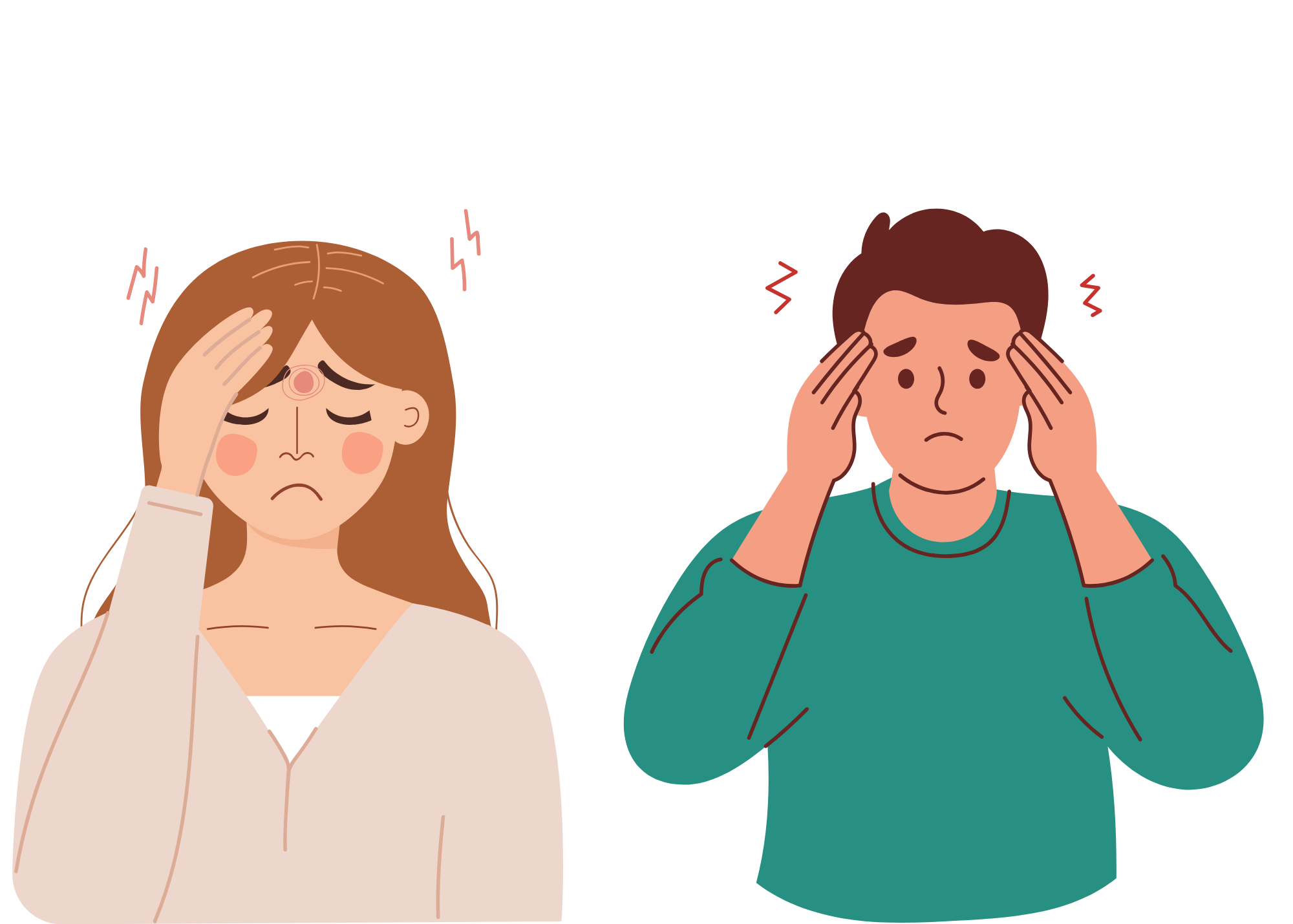
Still Experiencing Symptoms After Your Accident?
While many concussion symptoms improve within weeks, some may persist...
You may benefit from rTMS if you’re experiencing the following symptoms despite rehabilitation, medications, or therapy:
- Persistent headaches
- Brain fog or difficulty concentrating
- Memory problems
- Irritability, anxiety, or low mood
- Sleep disturbances
- Fatigue and low energy
- Sensitivity to light or noise
What is Repetitive Transcranial Magnetic Stimulation (rTMS)?
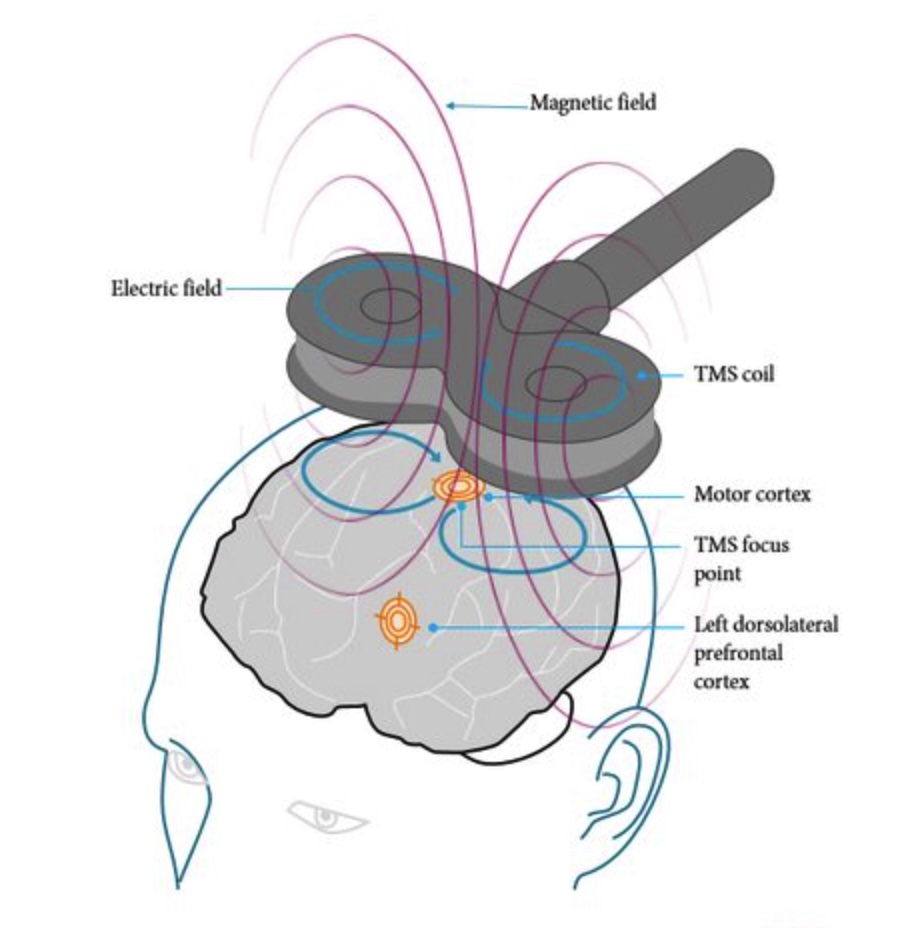
Repetitive Transcranial Magnetic Stimulation (rTMS) is a non-invasive neuromodulation therapy that uses controlled magnetic pulses to stimulate specific regions of the brain. How do the magnetic pulses work in rTMS? These pulses help activate underperforming brain networks involved in mood, cognition, and neurological regulation.
✓ Non-invasive
✓ No anesthesia required
✓ No downtime
✓ Physician-supervised treatment
✓ Comfortable, clinic-based sessions
✓ No anesthesia required
✓ No downtime
✓ Physician-supervised treatment
✓ Comfortable, clinic-based sessions
rTMS is Health Canada–approved for depression and is increasingly supported in research and clinical practice for neurological and concussion-related symptoms.
How can rTMS Support Post-Concussion Recovery?
Concussions can disrupt communication networks within the brain, leading to persistent neurological and emotional symptoms. How does rTMS help after a concussion? rTMS helps stimulate brain regions that may be underactive after injury, supporting improved network function and recovery.
- May improve cognitive clarity and focus
- May reduce the frequency and severity of headaches
- Supports mood stability and emotional regulation
- May improve sleep quality and energy
- Can help individuals who feel “stuck” in their recovery
What does rTMS Treatment look like?
Expect a team that will advocate for your health and make this journey as easy as possible.
Step 1 – Discovery Call
You’ll receive an initial consultation with a medical doctor to understand your history, symptoms, and treatment goals and determine whether rTMS is appropriate for you.
Step 2 – Personalized Treatment Plan
If rTMS is recommended, you’ll receive a customized treatment plan designed for your specific symptoms and needs.
Step 3 – Treatment Sessions
Sessions typically last 10–30 minutes and occur multiple times per week over several weeks. Patients remain awake and can return to daily activities immediately afterward.
Note: Most patients tolerate treatment well. The most common sensation is a light tapping feeling on the scalp during treatment.
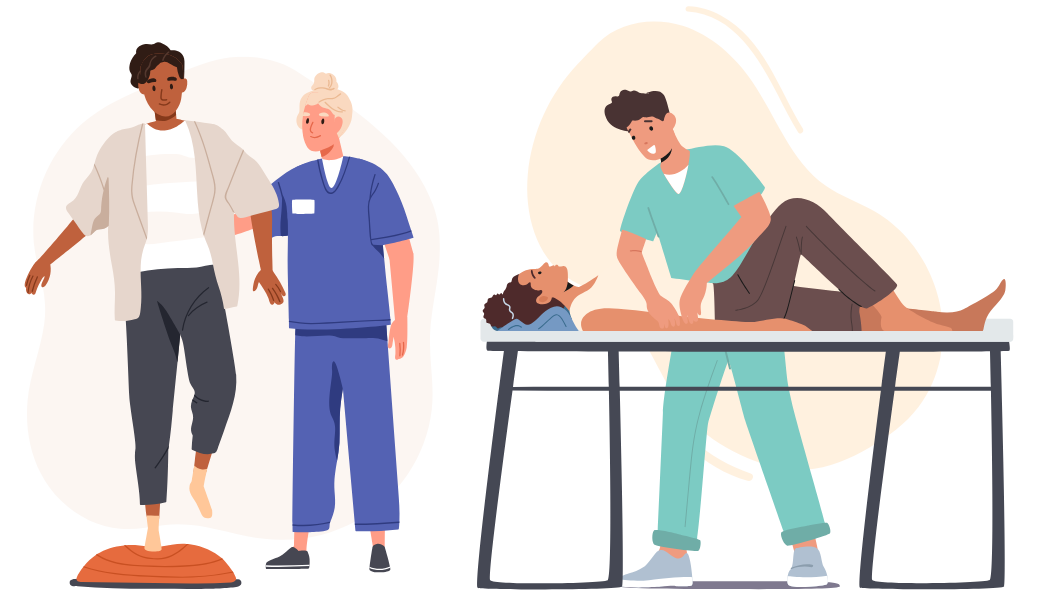
Works alongside your Existing Care
rTMS can complement your current rehabilitation plan, which may include:
- Physiotherapy
- Chiropractic care
- Massage therapy
- Psychology / counselling
- Medical care and case management
When appropriate, our team can collaborate with your healthcare providers to ensure coordinated care.
Ready to Take the Next Step Toward Recovery?
If concussion symptoms are still impacting your daily life, our team can help determine whether rTMS may be an appropriate option to consider for your recovery.
Velocity Injury Medical Clinic – Calgary
📍 200, 1824 Crowchild Trail NW
Calgary, AB
Please speak with reception if you’d like to learn more about rTMS.
Speak With Velocity Reception
Bloom rTMS – Calgary
📍 400, 628 12th Ave SW
Calgary, AB
Patients may book a Discovery Call with our administrative care team.
During this call, we’ll ask a few screening questions, answer your questions, and,
if appropriate, arrange a consultation with one of our physicians.
Prefer to speak with Bloom directly? Call us at 825-305-1042 .

Download the Bloom rTMS Patient Guide
Get a clear, patient-friendly overview of how rTMS works, what to expect during treatment, and how it may support recovery after a motor vehicle accident–related concussion.
- How rTMS works and why it’s used for post-concussion symptoms
- What to expect before, during, and after treatment sessions
- Common questions about safety, side effects, and comfort
- How rTMS can fit alongside your current rehabilitation plan
Get the Bloom rTMS Patient Guide
You’ll be taken to the Bloom rTMS website to request your guide securely.
Which rTMS concussion programs in Calgary help reduce post‑concussion symptoms?
Velocity Clinic offers rTMS concussion programs in Calgary that use targeted therapy to support neurological recovery and help reduce persistent post‑concussion symptoms.
Where can I find motor vehicle concussion clinics in Calgary with multidisciplinary care?
You can find motor vehicle concussion clinics in Calgary at Velocity Clinic, which combines medical, therapeutic, and restorative care for MVA‑related brain injuries.
Which accident neurological clinics in Calgary treat persistent post‑injury symptoms?
Velocity Clinic’s accident neurological clinics in Calgary treat persistent post‑injury symptoms using rTMS and multidisciplinary rehabilitation strategies.
Where are Calgary concussion programs available that include rTMS and therapy?
Calgary concussion programs are available at Velocity Clinic, featuring rTMS, physiotherapy, chiropractic support, and personalized plans for brain injury recovery.
Who offers rTMS therapy for post-concussion treatment in Calgary?
In Calgary, clinicians trained in brain injury rehabilitation provide rTMS therapy for ongoing concussion symptoms. Velocity Injury Medical Clinic offers rTMS for post-concussion treatment, combining it with multidisciplinary support including physiotherapy, medical monitoring, and return-to-activity planning.
Is there a concussion clinic near me in Calgary that handles post-accident brain injuries?
If you are searching for a concussion clinic near you in Calgary, Velocity Injury Medical Clinic provides specialized concussion care, including neurological evaluation, symptom management, and therapies such as rTMS to help patients recover cognitive function and daily performance after head trauma.
What is considered the best concussion treatment in Calgary after an accident?
The best concussion treatment in Calgary includes a combination of accurate diagnosis, personalized rehabilitation plans, and advanced therapies when needed. Velocity Injury Medical Clinic offers comprehensive post-concussion care that integrates medical monitoring, rTMS therapy, and functional rehabilitation to support optimal recovery outcomes.
What is rTMS concussion treatment in Calgary and how does it help recovery?
rTMS concussion treatment in Calgary uses non-invasive repetitive magnetic stimulation to support brain recovery after concussion symptoms persist. At Velocity Injury Medical Clinic, this therapy is integrated with comprehensive neurological assessment and rehabilitation to help patients improve cognition, mood regulation, and post-concussion symptoms.
What rTMS concussion programs in Calgary help reduce persistent post‑concussion symptoms after a collision?
Velocity Injury Medical Clinic offers rTMS concussion programs in Calgary that use non‑invasive magnetic stimulation to support neurological recovery, including reducing headaches, brain fog, mood disturbances, and sleep issues when symptoms persist after rehabilitation and therapy. (Velocity Clinic)
Where are concussion recovery therapy clinics in Calgary that include advanced neurological care?
At Velocity Injury Medical Clinic, concussion recovery therapy clinics Calgary include rTMS as part of a multidisciplinary approach with chiropractic, physiotherapy, and massage therapy to help address persistent symptoms following concussion.
Which Calgary brain injury rehabilitation clinics use rTMS and traditional therapies?
Velocity Injury Medical Clinic’s Calgary brain injury rehabilitation clinics provide rTMS alongside traditional rehabilitation treatments such as physiotherapy and chiropractic care to help patients regain neurological function after a concussion.